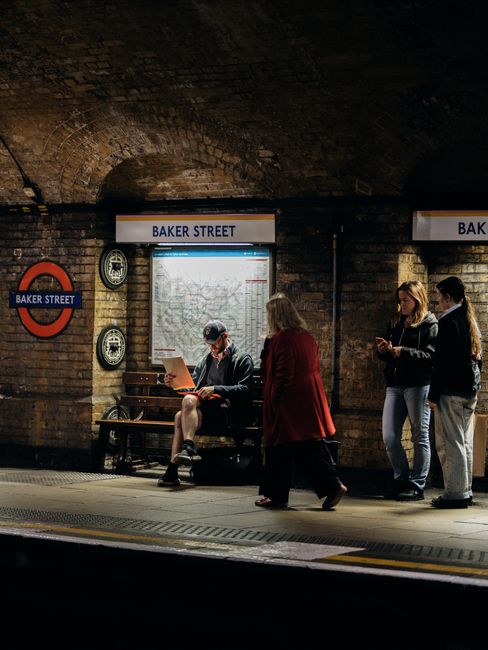
Baker Street bulky rubbish collection near Marylebone Station

If you are trying to clear a sofa, a broken wardrobe, old office chairs, or a pile of mixed household waste around Baker Street, you already know the awkward part is not always the lifting. It is the timing, the access, the parking, and the simple question of how to get bulky rubbish collected near Marylebone Station without turning your day into a long, stressful faff. This guide explains how Baker Street bulky rubbish collection near Marylebone Station works, what to expect, which items are usually accepted, and how to choose the right clearance approach for your space, your budget, and your schedule.
Whether you are in a flat above a busy street, managing an office refresh, or dealing with a one-off home clear-out, the right service can save a lot of time and mess. Let's face it, no one wants bulky waste sitting in a hallway for a week.
Why Baker Street bulky rubbish collection near Marylebone Station matters
Bulky waste is not the same as everyday bin rubbish. A mattress, a fridge, an armchair, a damaged desk, or a stack of renovation offcuts takes space, gets in the way, and often cannot just be left out with normal household waste. Around Baker Street and Marylebone Station, that matters even more because the area is busy, movement is constant, and access can be tight. A single bulky item left in the wrong place can disrupt residents, staff, deliveries, and building management pretty quickly.
There is also the practical side. In central London, parking, loading space, and lift access all affect how smooth a collection feels. If you live in a period building, a managed block, or a small office near the station, bulky rubbish can become a bottleneck. It is not dramatic. It is just inconvenient in that slow-burn way that gets annoying by day two.
For many people, the real value of a bulky waste collection is not only removal. It is reclaiming usable space and restoring order. A cleared flat feels bigger. A shop stockroom becomes functional again. An office refresh can move forward instead of stalling around one awkward pile of furniture.
Practical takeaway: the best bulky rubbish collection is one that handles access, lifting, disposal, and recycling in a single visit, with minimal disruption to you and your neighbours.
If you are comparing options, it is worth looking beyond the headline price. Responsiveness, loading efficiency, and responsible disposal can matter more than shaving a few pounds off the quote.
How Baker Street bulky rubbish collection near Marylebone Station works
Most bulky rubbish collection services follow a fairly straightforward process, though the details matter. You tell the provider what needs removing, they estimate the vehicle size or labour needed, and a team arrives to collect the items from inside or outside the property depending on the arrangement. In many cases, the job can be completed in one visit, which is especially helpful when you are working around a busy schedule.
Here is what usually happens in practice:
- Assessment - You describe the items, the number of pieces, and any access issues such as stairs, narrow hallways, lifts, or loading restrictions.
- Quote or estimate - The provider gives a price based on volume, weight, item type, and complexity. For mixed items, photos can help avoid surprises.
- Arrival and loading - The team arrives at the agreed time, checks access, and moves the items safely. In a well-run collection, this part is quick and tidy.
- Sorting and disposal - Reusable, recyclable, and non-recyclable materials are separated where possible. If you want a deeper look at responsible disposal practices, the site's recycling and sustainability guidance is useful background.
- Completion - Once everything is loaded, the area is left clear and the job is wrapped up. Simple enough, but a good team makes it feel almost boring. Which, for waste removal, is exactly what you want.
For households with mixed items, it can help to think in categories: furniture, appliances, general waste, and specialist items. That makes the conversation easier and helps the collector plan properly. If you are disposing of a sofa or bed base, you may also find mattress and sofa disposal relevant. For larger furniture sets, furniture clearance or furniture disposal may be a better fit depending on the amount involved.
If the collection involves heavier electrical items, such as a fridge or freezer, make sure the provider can handle it safely. That matters because appliances need correct handling and may have rules around disposal that differ from standard furniture. A specialist page like fridge and appliance removal can help clarify what is possible.
Key benefits and practical advantages
When the service is done well, the advantages are immediate and very practical. You get your space back, but you also get time back. That is the bit people often underestimate.
- Less physical strain - You do not need to drag bulky items through stairwells or down pavements.
- Faster turnaround - One collection can clear a lot more than a series of small trips to a disposal point.
- Cleaner finish - Professional loading usually means fewer scratches, scuffs, and broken bits left behind.
- Better access planning - A local team understands the oddities of central London streets, loading windows, and building access.
- Responsible disposal - Reusable and recyclable materials can be separated more effectively than with ad hoc DIY dumping.
- Reduced disruption - Important if you are clearing an office, a managed flat, or a retail space near the station.
There is also a peace-of-mind benefit. A lot of people delay bulky rubbish removal because it feels fiddly. Once it is gone, the job is done. No second guessing, no half-finished pile in the corner, no "I'll deal with that next weekend" dragging on for weeks.
For business settings, the value can be even clearer. A tidy reception, storeroom, or back office can improve day-to-day operations. If you are clearing workspaces rather than a home, office clearance and business waste removal are worth reviewing.
Who this is for and when it makes sense
This kind of collection is useful for a lot more people than you might think. It is not only for big moves or major refurbishments. In fact, some of the most common requests are one or two awkward items that have simply become a problem.
Typical situations where it makes sense
- End-of-tenancy clear-outs in flats near Baker Street
- Furniture changes after a home refresh
- Office upgrades, desk swaps, or storage-room decluttering
- Post-renovation debris that is too bulky for regular bins
- Garage, loft, or home clearances where items have built up over time
- Appliance replacement, especially when the old unit cannot be left in a communal area
If you are dealing with a full property clearance rather than just bulky items, the broader services may fit better. For example, a home clearance, house clearance, flat clearance, loft clearance, or garage clearance may be more efficient than booking a single-item collection.
Truth be told, if you are staring at three large items and a pile of smaller stuff, it is often better to clear everything in one go. You save time, and the end result feels more decisive. There is something strangely satisfying about that clean final sweep.
Step-by-step guidance
If you want the smoothest possible bulky rubbish collection near Marylebone Station, a little preparation goes a long way. Nothing fancy. Just sensible planning.
1. Make a clear item list
Start by listing everything that needs removing. Note approximate sizes, whether anything is heavy, and whether any items are fragile or awkward to carry. Photos are useful too, especially if the waste is spread across more than one room.
2. Separate what should stay
It sounds obvious, but it happens more than you would expect: people forget what they intended to keep. Move important paperwork, chargers, keys, or valuables away from the clearance area before collection day. Once the team starts loading, you do not want to be doing a last-minute treasure hunt.
3. Check access honestly
Is there a lift? Is it small? Are there stairs? Is there a loading bay, or will the vehicle need to pause nearby? On Baker Street and around Marylebone Station, access can make the difference between a smooth job and a long one. Be upfront. It helps everyone.
4. Ask about restricted items
Some waste types need separate handling. That might include certain appliances, chemical products, paint, or other hazardous materials. If you suspect anything unusual, mention it early. The safest route is usually the simplest one: ask first, move later.
5. Choose the collection type that fits the job
For a few bulky pieces, a simple collection may be enough. For a bigger clear-out, consider services that cover whole rooms, storage areas, or mixed waste. If the job includes construction debris, builders waste clearance may be more suitable.
6. Confirm timing and payment details
In central London, a narrow time window is often more useful than a vague all-day wait. Confirm when the team will arrive, how payment works, and whether there are any extra charges for stairs, heavy items, or difficult access. Clear terms avoid awkwardness later.
Expert tips for better results
A few small decisions can make a bulky rubbish collection noticeably easier. These are the sort of things you learn after seeing the same patterns over and over.
- Group items by room - It speeds up loading and makes it easier to check nothing has been missed.
- Keep corridors clear - Even a narrow path can save time and reduce the risk of scuffs.
- Photograph mixed loads - Especially if you are comparing quotes. A picture is often more helpful than a long description.
- Flag fragile or awkward items - Mirrors, glass, and broken furniture need extra care.
- Plan around building schedules - If your block has quiet hours or concierge rules, work with them rather than against them.
- Ask about reuse and recycling - A good provider should be able to explain what happens to the material after collection.
One practical detail that gets overlooked: if your bulky items are in a basement, loft, or top-floor flat, mention that from the start. It affects labour, time, and sometimes the vehicle choice. It is much better to be a little over-specific than to "wing it" and hope for the best. That approach rarely ages well.
Another useful habit is to book a little earlier than you think you need. Not because you should rush, but because local access slots can fill up, particularly when several businesses or residents in the area are clearing out at the same time.
Common mistakes to avoid
Most problems with bulky waste collection are avoidable. They usually come from incomplete information or trying to force the wrong solution.
1. Under-describing the load
If you say "just a few bits" and it turns out to be a full lounge set plus a broken freezer, everyone loses time. Be specific. Really specific, if needed.
2. Forgetting about access
Narrow stairs, no lift, double parking restrictions, and building entry codes are not minor details. They are the job.
3. Mixing specialist waste with general furniture
Some items require separate handling. Mixing them in with ordinary bulky rubbish can delay the collection or create compliance issues.
4. Leaving the decision until the last minute
If you wait until the hallway is packed and the lease handover is tomorrow morning, you are already under pressure. A calmer approach tends to produce a cleaner outcome.
5. Choosing price alone
The cheapest quote is not always the best value. If a provider is vague about disposal, timing, or what is included, that low number can become a lot less attractive by the end of the day.
On the rare occasions things go wrong, it is usually because someone skipped the boring bit: checking details. Boring, yes. Useful, absolutely.
Tools, resources and recommendations
You do not need complicated tools to prepare for bulky rubbish collection, but a few basics help.
- Phone camera - Take clear photos of the items and access points.
- Tape measure - Useful for oversized furniture, door frames, and stairs.
- Marker labels - Mark what is to go and what must stay, especially in shared spaces.
- Gloves and sturdy shoes - If you are moving smaller items yourself before collection, protect your hands and feet.
- Lift or building access notes - Keep codes, concierge contact details, or loading instructions handy.
For people weighing up whether to book a collection or use a different method, the page on what can go in a skip can help compare waste types and think through the alternatives. If you are looking at the spending side of things, pricing and quotes is the best place to understand how estimates are usually handled.
For items that need special care, use the specialist pages as a guide. That includes hazardous waste disposal for risky materials and confidential shredding if paperwork or sensitive records are part of the clear-out. Not every collection needs those services, of course, but it is better to know what exists than to guess.
Law, compliance, standards, or best practice
Bulky rubbish collection is not only about convenience. It also involves responsible handling and disposal. In the UK, waste should be managed carefully, and anyone arranging collection should make sure items are handled by a provider that follows sensible environmental and safety practices.
In plain English, that means three things. First, waste should not be dumped illegally. Second, potentially hazardous items should be identified properly. Third, the provider should work in a way that protects workers, residents, and the public. Around a busy place like Baker Street, that sounds obvious, but in practice it really matters.
Best practice usually includes:
- clear identification of item types before collection
- safe lifting and loading methods
- appropriate handling of electrical, sharp, or heavy items
- sorting for reuse or recycling where possible
- respect for building rules, neighbours, and loading access
If you are comparing providers, it is sensible to review the company's approach to health and safety, insurance and safety, and terms and conditions. Those pages help set expectations before anyone arrives at the door. A little paperwork now can save a lot of head-scratching later.
For businesses, it is also wise to think about data handling if desks, filing cabinets, or archive materials are being cleared. That is where responsible sorting and, if relevant, confidential shredding come into play. It is not glamorous, but it is part of doing things properly.
Options, methods, or comparison table
There is more than one way to deal with bulky rubbish near Marylebone Station. The right option depends on volume, item type, access, and how quickly you need the space cleared.
| Method | Best for | Pros | Trade-offs |
|---|---|---|---|
| Professional bulky rubbish collection | Single items, mixed bulky loads, fast clear-outs | Convenient, less lifting, usually quick | Cost depends on volume and access |
| Full property clearance | Flats, houses, lofts, storage spaces | Best for larger jobs, more comprehensive | May be more than you need for just one item |
| Specialist item removal | Appliances, sofas, mattresses, hazardous items | More suitable for tricky waste types | May need separate booking or preparation |
| DIY disposal | Very small loads, people with transport and time | Low service cost if everything is simple | Time-consuming, physically harder, less efficient in central London |
As a rule of thumb, choose the method that best matches the mess you actually have, not the one you wish you had. Many people try to treat a multi-item clear-out like a single-item job, and that is where the friction begins.
If you are unsure, a discussion about waste removal options can help you narrow things down without overcommitting. Sometimes the answer is simple. Sometimes it is a blend of two approaches.
Case study or real-world example
A small example may help. Imagine a two-bedroom flat just off Baker Street, with an old sofa, a broken bookcase, two office chairs, and a mattress that needs removing before a tenancy changeover. The corridor is narrow, the building has shared access, and the collection has to happen between deliveries and a cleaner's visit.
In that situation, the most efficient approach is to group the items in one room, keep the route clear, and confirm the access details before the team arrives. The provider can then load the bulky items without wasting time moving them around the flat one by one. If the mattress and sofa are the main issue, a dedicated mattress and sofa disposal service can be especially useful. If the space also includes furniture you no longer need, a broader furniture clearance may be a cleaner solution.
What tends to make the job smooth is not luck. It is preparation. Once the path is clear and the load is described accurately, the process becomes quick and calm. The residents get their space back, the handover stays on track, and everyone avoids a last-minute scramble in the hallway.
To be fair, that is usually the best kind of waste job: unremarkable, efficient, and over before the kettle has finished boiling.
Practical checklist
Use this simple checklist before your bulky rubbish collection near Marylebone Station:
- List all items that need removing
- Take photos of bulky or unusual waste
- Measure items and check doorways or stair access
- Confirm whether the collection is from inside or outside
- Separate anything you want to keep
- Identify special items such as appliances, mattresses, or hazardous materials
- Clear hallways and loading routes
- Check building rules, access hours, or concierge arrangements
- Ask about recycling, reuse, and disposal handling
- Review payment, timing, and any extra charges in advance
Expert summary: the best results come from being honest about the load, realistic about access, and clear about what you want removed. That combination solves most of the common headaches before they start.
Conclusion
Baker Street bulky rubbish collection near Marylebone Station is really about making a messy, awkward task feel manageable. When you choose the right method, give accurate details, and plan for access, the whole process becomes simpler than people expect. You get your room back, reduce stress, and avoid the slow build-up of clutter that seems harmless until suddenly it is everywhere.
Whether you are clearing one awkward item or several pieces from a flat, office, or storage space, the key is to match the service to the situation. That is what keeps the job efficient, safe, and good value. And honestly, once the space is clear, you feel it straight away. The room looks lighter. The air does too, somehow.
If you are ready to move things on, start with a clear description of the items, confirm the access, and choose the collection style that fits your needs. Small prep, big payoff.
Get a free quote today and see how much you can save.
Frequently Asked Questions
What counts as bulky rubbish near Baker Street?
Bulky rubbish usually means items that are too large or awkward for normal bin collections, such as sofas, beds, wardrobes, desks, chairs, and some appliances. If it is heavy, oversized, or hard to move safely, it likely counts as bulky waste.
Can bulky rubbish be collected from inside a flat or office?
Yes, in many cases it can. That depends on access, building rules, and the arrangement made with the collector. Stairs, lifts, and loading points all affect how the job is done.
How do I prepare for a bulky rubbish collection?
Make an item list, take photos, clear access routes, and separate anything you want to keep. If there are special items like appliances or hazardous materials, mention them early.
Is bulky rubbish collection better than hiring a skip?
It depends on the job. For isolated bulky items or mixed household furniture, collection can be easier. For larger renovation waste, a skip may be better, although you should check what can go in a skip before deciding.
What happens to the items after collection?
That depends on the waste type and condition of the items. Where possible, reusable or recyclable materials are separated. The rest is disposed of through appropriate waste handling routes.
Can I include broken furniture and mattresses in the same collection?
Often yes, but it is best to confirm the details in advance. A mixed load with furniture and bedding is common, though some items may need separate handling depending on condition and type.
Do I need to be present during the collection?
Usually yes, or at least someone responsible for access and sign-off should be available. This is especially useful if the team needs direction or there are items that must not be taken.
How much notice should I give?
As much as you reasonably can, especially in busy central London areas. A bit of notice helps with access planning, timing, and vehicle allocation. Last-minute jobs can still work, but they are often tighter.
Are there items that cannot go in a bulky rubbish collection?
Yes. Some items may need specialist treatment, particularly hazardous waste, certain electrical items, or materials requiring separate handling. It is always best to ask before collection day.
Is this service suitable for businesses near Marylebone Station?
Absolutely. Offices, shops, and managed premises often need bulky rubbish removal for desks, chairs, shelving, stockroom clutter, and refurbishment waste. Business waste removal and office clearance options are especially relevant.
What should I ask before booking?
Ask what is included, how access affects the price, whether recycling is part of the process, and how specialist items are handled. Clear answers at the start usually mean a smoother collection later.
Can I combine bulky waste with a larger property clearance?
Yes, and often that is the smartest move. If you have furniture, stored clutter, and general unwanted items all at once, a broader home, house, flat, loft, or garage clearance can save time and avoid repeat visits.
If you want to understand the company, service standards, or policies before you book, you may also find the about us page helpful. For any practical next step, keep your item list close, take a few photos, and move forward from there. That is usually enough to get things rolling without stress.