Business Waste Removal in Marylebone
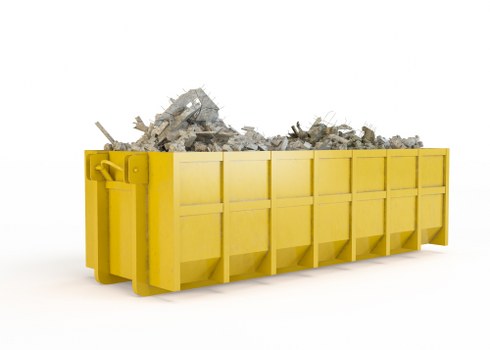
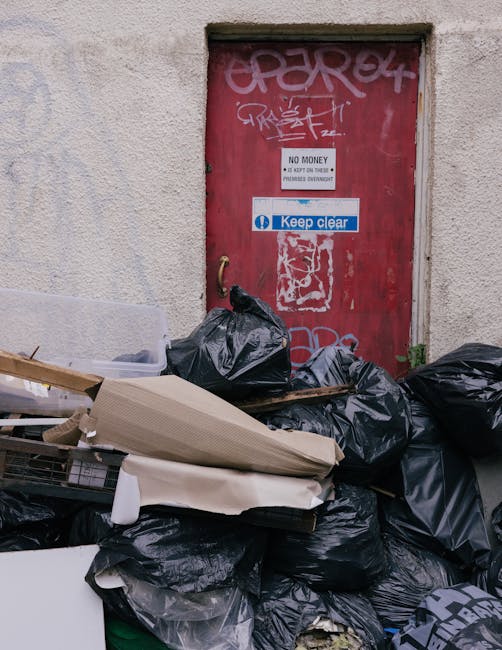
Business waste removal in Marylebone should be straightforward, discreet and arranged around the working day, whether you need regular uplifts or a one-off clearance of stored materials. We collect mixed commercial waste, packaging, office contents and other non-hazardous business refuse with a focus on sorting, loading and responsible transfer. The service is designed for shops, offices, studios, hospitality premises and managed buildings that need a practical way to keep spaces clear without interrupting operations.
Our work typically begins with identifying the waste streams that need attention, then separating items that can be reused, recycled or sent for disposal. That might include cardboard, paper, broken furniture, shelving, fixtures, general rubbish and redundant stock. Clear categorisation helps keep collections efficient and can reduce avoidable handling, especially where access is limited or the load includes a mixture of materials. If you are planning a clearance, a simple note of what needs taking away is often enough to start.
If you are comparing options, pricing and quotes can help set expectations before you book. You can also choose to book online when you are ready, or keep reading to see how the service is organised and what type of work it covers.
Commercial waste collections for offices and shared workspaces
Office waste removal is often about keeping pace with change: desks are moved, storage is reorganised, paperwork is removed and old furniture needs to go without leaving disruption behind. We collect items from individual floors, private suites and shared premises, including chairs, cabinets, meeting-room furniture, packaging and general non-confidential office rubbish. Where the load includes paperwork or records that require a different handling route, it is sensible to separate those items before collection so that each stream can be dealt with correctly.
For businesses that want a broader clearance rather than a single load of rubbish, office clearance provides a more focused option for desks, storage and equipment. If the items are mixed with heavier furnishings or redundant interior fittings, our teams can also work through larger setups in stages. A collection can be planned around access times, lift use and loading points, which is especially useful in managed buildings where shared corridors and reception areas must stay usable.
What is usually collected from business premises
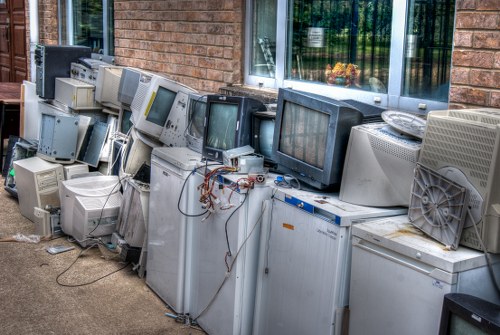
Common collections include archive boxes, packaging waste, display units, small electrical items, shelving, shopfloor debris and furniture that is no longer needed. The exact load matters because different materials affect how the waste is sorted and where it should go afterwards. We aim to keep the process simple: you identify the items, we remove them, and the load is taken to the appropriate disposal or recycling route based on its composition. For many clients, this is more practical than arranging separate trips for different items.
Clearance support for furniture, fixtures and bulky items
Many business clearances in Marylebone involve bulky items that no longer suit the premises: desks, reception seating, storage cabinets, counters, tables, task chairs and similar furnishings. Removing these pieces safely can be more demanding than moving bags or boxes, particularly where stair access is narrow or items need to pass through occupied rooms. We handle loading and removal as part of the service, reducing the need for staff to shift heavy items themselves or stage them in public areas.
Where furniture is the main issue, furniture clearance and furniture disposal are useful routes for items that are no longer wanted, damaged or no longer fit the layout. Some clients only need a few pieces removed; others need a workspace cleared more thoroughly before refitting or handover. In both cases, it helps to know whether the items are freestanding, fixed to walls, or part of a larger fit-out, because that affects access and the time needed on site.
We can also deal with mixed loads where furniture is accompanied by packaging, loose fittings and general waste from a move or reorganisation. If the furniture is paired with mattresses or sofas from a hospitality or residential-style business setting, mattress and sofa disposal provides a relevant route for those larger domestic-style items. The aim is to keep the work practical and organised, so that you are not left coordinating several different removal jobs at once.
Retail, stockroom and back-of-house waste
Retail and customer-facing businesses often need a waste removal service that works quietly around opening hours, deliveries and staffing levels. We collect packaging, broken display materials, redundant stock, cardboard, shop fittings and general rubbish from back-of-house areas and stockrooms. In premises where footfall matters, a tidy removal plan is often more useful than trying to store waste until it becomes a problem, because clutter can affect both safety and day-to-day access.
Where the load contains boxed stock, pallets, packaging or damaged fixtures, it is helpful to separate reusable items from waste before the collection begins. That makes it easier to decide whether some materials should be kept for reuse, sent for recycling or removed completely. If the work includes premises that are changing layout or preparing for refit, the collection can be arranged to clear corridors, back rooms or storage spaces in the order that suits your operation. Keeping access routes open is often as important as removing the waste itself.
- Packaging, cartons and wrapping materials
- Damaged shelving and display fittings
- Redundant stock and store-room clutter
- General commercial rubbish from day-to-day operations
Specialist waste streams and compliance-led removals

Some businesses produce waste that needs a more careful route than everyday mixed rubbish. We offer collections for selected specialist streams such as confidential paper disposal and certain controlled materials where a separate service is appropriate. The key point is that each waste type should be identified before collection so it can be handled in line with the correct disposal route, rather than being mixed with ordinary commercial rubbish. That keeps the service organised and reduces unnecessary sorting later.
If your premises deal with paperwork, archived documents or sensitive files, confidential shredding is a more suitable option than placing papers with general waste. For items that may present a different disposal requirement, hazardous waste disposal should be used only where the waste genuinely falls into that category and is arranged accordingly. These services are not interchangeable, and it is best to distinguish them at the quotation stage rather than leaving a mixed load for later sorting.
Useful preparation is usually simple: separate obvious special items, keep access clear and note anything that is fixed, fragile or unusually heavy. If you are unsure whether something belongs in general business waste or a separate stream, mention it when requesting a quotation. That allows the collection to be matched to the right method instead of relying on assumptions about the contents.
Waste from refurbishments, fittings and light strip-outs
Office moves, refreshes and internal changes often generate more than a few bin bags. There may be old partitions, fixtures, redundant furniture, packaging from new installations and debris left after a light strip-out. We can remove the waste created by these changes, provided it is suitable for collection and not part of a specialist contractor package. This makes it easier to keep the site usable while work is progressing and to clear the rooms that need to be handed back, reoccupied or prepared for the next phase.
Where the work overlaps with building-related waste, builders waste clearance is the appropriate page to review for rubble, offcuts and construction spoil. Business premises often produce a mix of materials during alterations, so the most efficient approach is to separate general commercial waste from heavier building waste and choose the right route for each. That distinction matters because not every clearance involves the same handling, and not every material should be treated in the same way.
When the project is staged, a planned removal can support the sequence of works rather than interrupt it. Items can be taken once they are no longer needed, with the load sized to suit the space available at the time. If you are working towards a completion date or a change of occupancy, ask for the removal to be timed around the handover sequence so that the space is left ready for the next step.
How collections are arranged and what affects the quotation
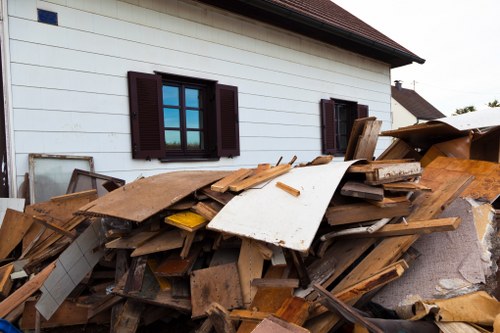
Quotations for business waste removal usually depend on the type of waste, the amount to be taken, the access to the premises and any extra handling involved. A load made up of lightweight cardboard and packaging will be handled differently from one that includes dense furniture or bulky fixtures. The location of the waste within the building also matters, because time spent carrying items from upper floors or restricted areas can affect the overall plan. A clear description of the job helps the quotation reflect the actual work.
For a smoother arrangement, it is useful to note whether there are stairs, lifts, parking limits or loading restrictions, and whether the waste is already gathered or still spread through the premises. You do not need to create a detailed inventory unless the job is complex; a concise description is usually enough. If you want to compare options first, contact us to request a quotation or ask about the most suitable service page for your load. Keeping the request focused on the waste type and access details helps the process move quickly.
Where mixed waste is involved, separating items into broad groups can make the collection easier to manage on the day. For example, paperwork, furniture, packaging and specialist items should be identified separately if they need different treatment. That small bit of preparation often helps avoid delays, especially in busy premises where staff, customers and deliveries are moving through the same area.
About Marylebone
Marylebone is a central London district in the City of Westminster, situated between Regent’s Park to the north and Oxford Street to the south, with Portland Place and Baker Street among the better-known routes through the area. Its street pattern reflects a long urban history: the district grew from a more rural parish into an elegant Georgian neighbourhood in the eighteenth and nineteenth centuries, and many of the terraces and mansion blocks still carry that period’s scale and proportion. The area is strongly associated with Marylebone High Street, which forms a distinctive local focus with shops, cafés and small businesses set away from the busier commercial corridors nearby. Transport links are a major feature too, with Marylebone station serving the mainline railway and Baker Street offering Underground connections across several lines. The district also includes or borders several notable institutions and landmarks, such as the Wallace Collection, Madame Tussauds and the London Business School campus, while nearby Regent’s Park adds open space, tree-lined walks and formal gardens. In architectural terms, Marylebone combines Georgian squares, later commercial buildings and specialist medical or professional premises, creating an urban character that is both residential and practical. The name itself has older historical roots, derived from St Mary by the bourne, a reference to the watercourse that once ran in the area. Today, it remains one of central London’s recognisable neighbourhoods, shaped by heritage streets, active local life and proximity to major West End destinations.
Additional removal options for different premises
Some business customers need removal support beyond standard office or retail waste, especially when several areas of the same property need clearing at once. We can also cover premises such as storage rooms, garages attached to commercial buildings, loft-style storage spaces and general contents that are no longer required. The right approach depends on what is stored there, how accessible it is and whether the contents are mixed or already sorted. A single collection can often be planned around the most awkward space first so that the rest of the work is easier to complete.
If your job involves broader contents rather than just waste, home clearance, house clearance and flat clearance show related removal routes that may be relevant where business and property contents overlap. For storage-heavy sites, garage clearance and loft clearance can be useful references for accessing awkward or overlooked spaces. These pages do not change the nature of your job; they simply help identify the most suitable removal category for the items involved.
When several different kinds of waste appear together, it is usually better to plan the collection around the heaviest or most awkward items first, then deal with the lighter material in the same visit if the load allows. That is often more efficient than dividing the work into separate removals without need.
Recycling, reuse and final disposal

A responsible business waste removal service does more than load items into a vehicle. It also needs a clear route for sorting and transfer so that recyclable materials are separated where possible and the remainder is sent on for disposal in the correct stream. Cardboard, paper, metals and some office materials may be suitable for recycling, while mixed or damaged items may need a different route. The exact outcome depends on the contents of the load, so accurate identification at the start is helpful.
Our approach is to keep the process practical and transparent: take away the items that have been agreed, sort them where appropriate and move them onward through the relevant channels. Where the work includes a broad set of materials, it is sensible to mention any items you want treated separately, such as confidential documents, awkward fixtures or furniture with mixed components. If you have already reviewed the service details and are ready to proceed, request a quotation with the load information and access notes that matter most.
For businesses that want a tidy and efficient clearance without unnecessary disruption, the priority is usually clarity about the waste rather than complicated planning. A short description of what needs removing, where it is located and how it can be accessed is often enough to organise the work well. That is the simplest way to keep the collection focused and make sure the right waste route is chosen from the outset.