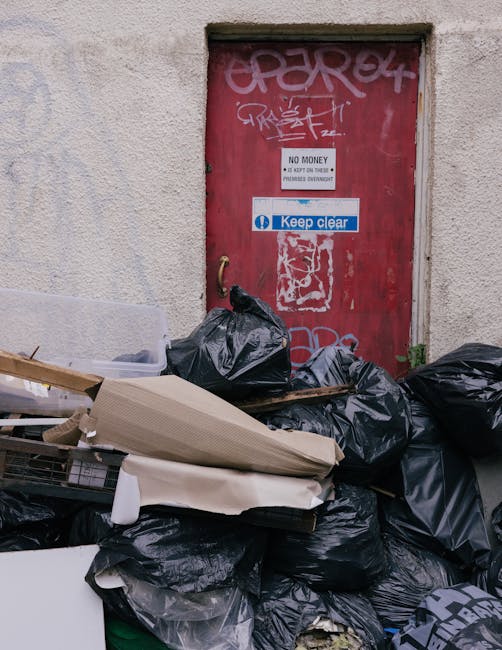
W1U Estate Rubbish Clearance Tips for Marylebone Flats
Clearing rubbish from a Marylebone flat sounds simple until you meet the reality of tight hallways, lift bookings, awkward stairwells, limited loading space, and the general fact that London never seems to give you much room to breathe. If you are dealing with a flat in W1U, the right approach can save time, reduce stress, and stop small problems turning into expensive ones. These W1U estate rubbish clearance tips for Marylebone flats are designed to help you plan properly, avoid common mistakes, and make the whole process feel far more manageable.
Whether you are clearing one room, an entire rental property, or a packed flat after a move-out, the best results usually come from a bit of prep and a sensible method. In this guide, we'll walk through how estate rubbish clearance works, what to watch for in shared buildings, which items need extra care, and how to decide between a do-it-yourself approach and a professional service. A little organisation goes a long way. Really, it does.
Why W1U Estate Rubbish Clearance Tips for Marylebone Flats Matters
Marylebone flats are often very different from the sort of property where you can simply roll a wheelie bin out to the pavement and call it a day. Estate rubbish clearance here tends to involve shared entrances, concierge rules, resident-only access, busy streets, and neighbours who notice everything. The smallest mistake - blocking a landing, leaving bags in a communal area, or arranging collection at the wrong time - can create friction quickly.
That is why having a practical clearance plan matters. In a W1U flat, you are not only removing waste; you are also managing access, timing, noise, and building etiquette. If there is an estate manager or managing agent involved, they may expect rubbish to be staged in a certain way or collected during a limited time window. And if you are a tenant, you may also want to leave the flat in a tidy, move-in-ready state, which is where a more structured approach becomes useful.
There is another side to this too: the hidden cost of doing it badly. Bags left too long can smell. Large items can scratch walls. Rushed lifting can damage flooring or, worse, cause injury. To be fair, most clearance problems are not dramatic on their own - they are just annoying, until they are not. A good plan removes that uncertainty.
Expert summary: In Marylebone flats, rubbish clearance is as much about building logistics as it is about waste removal. Plan access, sort items early, and keep shared spaces clear.
How W1U Estate Rubbish Clearance Tips for Marylebone Flats Works
At a practical level, estate rubbish clearance usually follows a few clear stages: assess what needs to go, separate what can be reused or recycled, check the building's rules, move items safely, and arrange the most suitable disposal route. Simple enough on paper. In real life, the narrow corridor and the chest freezer you forgot about make it a bit more interesting.
If you are dealing with a flat clearance, it helps to think in layers. Small household rubbish is one layer. Furniture is another. Electricals, mattresses, and potentially hazardous items sit in their own category. A one-size-fits-all approach is rarely the best choice. For example, a sofa may be better handled through a dedicated sofa and mattress disposal service, while old office paperwork might belong with confidential shredding rather than general waste.
In many cases, a reliable clearance process also means thinking about where the items end up. Reuse, recycling, and responsible disposal all matter. If you want a broader view of how waste is handled, the site's recycling and sustainability approach is a useful place to understand the bigger picture. It helps the whole job feel less like a bin run and more like a proper, managed service.
For residents comparing options, it is also worth looking at broader support pages such as flat clearance and general waste removal. Those pages help frame what can be removed, how the service is structured, and what level of help you might need.
Key Benefits and Practical Advantages
The main benefit of getting rubbish clearance right is peace of mind. You know the flat is being cleared safely, the building stays tidy, and you are less likely to end up with last-minute chaos on the day of collection. That matters a lot in a central London postcode like W1U, where space is tight and time disappears fast.
Some of the practical advantages include:
- Less stress on moving day - you are not trying to sort everything while also dealing with keys, cleaners, and handover timings.
- Cleaner communal areas - no awkward bag pile-ups by the lift or front door.
- Better recycling outcomes - sorting items early makes it easier to separate recyclable materials.
- Safer lifting and handling - fewer rushed trips with heavy loads down stairs.
- Reduced risk of building complaints - especially in managed estates with strict rules.
There is also a subtle but important benefit: a flat that is cleared properly tends to feel easier to clean, inspect, and hand back. That is useful for landlords, tenants, agents, and family members handling a property after a changeover. If you have ever stood in an empty room with one stubborn broken chair in the corner, you will know exactly how one leftover item can make the whole place look unfinished.
When the items are bulky or awkward, using specialist support can be a better fit. Pages like furniture disposal, fridge and appliance removal, and furniture clearance can help you match the right type of removal to the right type of item.
Who This Is For and When It Makes Sense
This kind of clearance advice is useful for a fairly wide group of people. It is not just for landlords or estate managers, though they often benefit the most. In practice, it helps anyone who needs to remove rubbish from a Marylebone flat without causing disruption or wasting half a day trying to figure out where everything should go.
- Tenants who are moving out and need the flat emptied quickly.
- Landlords preparing a property between lets.
- Letting agents managing end-of-tenancy clean-ups.
- Families clearing a relative's flat after a major life change.
- Owners dealing with years of accumulated clutter.
- Businesses using a residential flat for storage, overflow items, or staff accommodation.
It makes particular sense when the property has access constraints, shared entrances, or items that need more care than a normal bin collection allows. A compact one-bedroom flat can still generate a surprising amount of rubbish once you include broken storage units, old bedding, packaging, and small appliances. That is where planning pays off.
And yes, even a supposedly "quick clear-out" can turn into a bigger job than expected. The box at the back of the wardrobe is never just one box, is it?
Step-by-Step Guidance
If you want the process to run smoothly, work through it in a sequence. The key is not speed; it is order. Here is a practical way to handle it.
- Walk through the flat first. Make a full list of what needs to go. Include hidden areas like cupboards, loft hatches, under-bed storage, and balcony corners.
- Separate items by type. Group general rubbish, bulky furniture, electrical items, textiles, and anything that may need special handling.
- Check building rules. Confirm lift booking slots, loading access, quiet hours, and whether items can be placed in a communal holding point.
- Measure anything awkward. Sofas, wardrobes, and mattresses can be difficult to turn in older Marylebone buildings with narrow hallways.
- Choose the right disposal route. Some items may suit general waste removal, while others need targeted services such as house clearance or home clearance.
- Protect the building. Lay down temporary protection if needed and keep corners, doors, and lift interiors clear of knocks.
- Load in the right order. Heavier items first, lighter items on top where appropriate, and nothing unstable on the stack.
- Do a final sweep. Check cupboards, behind doors, and inside utility spaces before signing anything off.
If the job includes significant furniture, a mixture of household items, or a flat that is genuinely packed, it may be easier to get one organised clearance rather than several separate trips. That is often where efficiency improves the most.
Expert Tips for Better Results
In our experience, the best clearance jobs are the boring ones. No drama, no guesswork, no last-minute dash down the stairs with an overfilled bag. Just sensible prep and a clean handover. A few small habits make a big difference.
1. Start with the awkward items
Do the bulky or fragile items first, while you still have energy and room to think. Sofas, beds, fridges, and old cabinets are usually what slow people down.
2. Keep a "do not move yet" pile
If you are sorting the flat yourself, set aside anything you may need to keep, photograph, check, or approve. It sounds obvious, but mixed piles cause mistakes fast.
3. Be realistic about access
Marylebone buildings often look manageable until you try to get a wardrobe around the corner. If access is tight, plan for two people, not one. Maybe three if the item is especially awkward.
4. Use the right service for the right item
A fridge is not the same as a bag of general rubbish. A mattress is not the same as a box of paper. Matching the service to the item type reduces waste and avoids unnecessary handling. Pages like mattress and sofa disposal and appliance removal are useful for that reason.
5. Photograph items before they leave
This is particularly helpful for landlords, agents, and family members. A few quick photos can confirm what was removed and what was left behind. Nothing fancy. Just enough to keep the record straight.
One more thing: if you are clearing a flat after a stressful move or family situation, keep the pace humane. You do not need to finish everything in one afternoon unless you really have to. A calm process usually produces a better result anyway.
Common Mistakes to Avoid
Most clearance headaches come from a small handful of avoidable mistakes. They are easy to make, especially when time is tight. The good news is they are also easy to sidestep once you know what to look for.
- Leaving sorting until the last minute. Bags filled in a rush usually contain a mix of recyclable, reusable, and bulky items that should have been separated earlier.
- Ignoring estate rules. If your building has collection restrictions, do not assume you can improvise.
- Blocking shared spaces. Corridors, lifts, stairwells, and entrances need to stay clear.
- Guessing item weights. That old filing cabinet may be heavier than you think, and heavy lifting goes wrong quickly.
- Mixing special waste with general waste. Hazardous or sensitive items need more care and, in some cases, a different disposal route.
- Underestimating the final sweep. People often forget cupboards, balconies, and under-sink areas. It happens all the time.
There is also a softer mistake: trying to make the process too perfect. You do not need a colour-coded system for every bag. Helpful, not theatrical. Use enough structure to stay organised, then move on.
Tools, Resources and Recommendations
You do not need a van full of specialist kit to clear a flat, but the right basics make the work safer and tidier. Think practical, not fancy.
- Heavy-duty bags for general rubbish and loose contents.
- Gloves for grip and protection when handling mixed materials.
- Reusable labels or tape to mark keep, donate, recycle, and remove piles.
- Furniture sliders or a sack truck where suitable and safe.
- Measuring tape for checking corridors, lift doors, and item dimensions.
- Cleaning wipes or spray for clearing dust and residue after items are removed.
For readers comparing services, a few useful pages on the site are worth a look. pricing and quotes helps you understand how jobs are typically approached, while book online is handy if you already know what you need and want to arrange it quickly. If the property is larger or unusually cluttered, loft clearance and garage clearance may also be relevant if storage spaces are part of the job.
Useful houseclearance work is often about simplification. One clear list. One set of categories. One sensible route out.
Law, Compliance, Standards, or Best Practice
When rubbish clearance involves residential flats, it is sensible to keep compliance in mind even if the job feels straightforward. In the UK, waste should be handled responsibly, and it is generally best practice to use a properly managed disposal route rather than leaving mixed rubbish in shared areas or giving it to an unknown collector. That is especially important in estate settings, where unmanaged waste can create nuisance, hygiene concerns, and building management issues.
If the flat contains potentially hazardous items, such as certain chemicals, paints, or materials that need special handling, those should not be treated like ordinary household waste. The same goes for sensitive paperwork or items that could create a privacy issue. A little care here avoids bigger problems later. If you need a broader overview of more sensitive disposal categories, hazardous waste disposal is the relevant service page to review.
Best practice also includes safety. Lifting techniques, clear walkways, and proper loading matter more than people realise. The company's health and safety policy and insurance and safety information can help reassure readers who want to understand how a professional job is approached. And if you are handling business-related waste from a flat-based office setup, business waste removal may be the more suitable route.
For transparency around service terms and customer expectations, it is also sensible to review terms and conditions and payment and security before confirming any arrangement. That is just good practice, really.
Options, Methods, or Comparison Table
Different rubbish clearance methods suit different Marylebone flat situations. Here is a simple comparison to help you decide what tends to work best.
| Method | Best for | Strengths | Limitations |
|---|---|---|---|
| Self-clearance | Small loads, light rubbish, simple access | Flexible timing, lower upfront cost | Time-consuming, physical effort, transport needed |
| Estate-managed collection | Buildings with formal collection arrangements | Convenient when rules are clear | Limited timing, may not suit bulky items |
| Professional flat clearance | Bulky items, tight access, full or partial clear-outs | Fast, organised, less lifting for you | Usually best when the load is larger or more complex |
| Specialist item disposal | Fridges, mattresses, sofas, appliances, sensitive waste | Better handling for specific item types | May need separate booking or planning |
If you are unsure which route is best, ask yourself one question: is the challenge mostly the volume of rubbish, or the difficulty of moving it safely through the building? If it is the second one, professional help often saves more hassle than it costs. That is the honest answer.
Case Study or Real-World Example
A typical example: a one-bedroom Marylebone flat near a managed estate, cleared after a tenancy ends. The flat contains a broken wardrobe, two armchairs, a mattress, several bin bags, a small fridge, and a pile of mixed kitchen items. The resident has one morning before the inventory check, and the lift needs to be booked.
The smart approach is not to start by dragging things out. First, sort the items. The fridge goes into appliance removal. The mattress and sofa items go into their relevant disposal route. The mixed bags are checked for anything recyclable or sensitive. Then the route through the building is measured, the lift slot is confirmed, and the largest items are moved first.
Because the work is planned, the communal hallway stays clear, no walls are scraped, and the final inspection is far calmer. It is not glamorous. But it works.
That kind of result is common when the process is organised early and the right service pages are used to match the job. For instance, flat-based clear-outs often overlap with flat clearance, while larger furniture pieces may need furniture clearance. If the property also includes storage areas, a broader house clearance style approach can make the whole job more coherent.
Practical Checklist
Use this checklist before the clearance day arrives.
- Confirm what is being removed and what is staying.
- Sort items into general waste, bulky items, recycling, and special handling.
- Check estate rules for access, lift booking, and permitted collection times.
- Measure large furniture and appliances against hallways and doorways.
- Protect floors, corners, and communal touchpoints where needed.
- Set aside documents or private items for confidential disposal.
- Keep stairways and exits clear at all times.
- Make sure heavy items are lifted by enough people.
- Review relevant service details, including recycling and sustainability if you want to reduce waste.
- Do a final room-by-room sweep before finishing.
If you are dealing with a slightly bigger project, you might also want to check whether builders waste clearance is relevant after renovation, especially if the flat has recently been refurbished. Not every job is a pure rubbish clear-out; sometimes there is a little of everything. A small pile of plaster, a bent shelf, one old sink unit, the usual chaos.
Conclusion
Clearance in Marylebone flats is never just about taking rubbish away. It is about doing it cleanly, safely, and with enough thought to suit the building, the neighbours, and the people using the space. If you follow a simple plan, sort items early, and choose the right disposal route for each type of waste, the whole job becomes far more predictable.
The best W1U estate rubbish clearance tips for Marylebone flats are really about control: control over timing, access, safety, and what happens to the items once they leave the property. Get that part right and everything else feels easier. Less rush, less mess, less regret over the chair you nearly kept for no good reason.
If you are ready to take the next step, speak to a trusted local team, compare your options, and arrange the right clearance method for your flat. Small details matter here, and a careful approach always shows. That is the difference between a stressful day and a properly sorted one.
Get a free quote today and see how much you can save.
Frequently Asked Questions
What is the best way to clear rubbish from a Marylebone flat?
The best way is usually to sort items by type first, check building access rules, and then choose a disposal method that suits the load. For small amounts, self-clearance may work. For bulky or mixed items, a professional flat clearance approach is often easier and safer.
How do I deal with bulky furniture in a W1U estate building?
Measure doorways and hallways before moving anything, and try to remove the biggest item first while the route is clear. If the furniture is heavy or awkward, a dedicated furniture clearance or furniture disposal service is usually the better option.
Can I leave rubbish in a communal hallway if I am moving out?
Usually, no. In managed estates, communal spaces should stay clear unless the building has a specific arrangement for staged collections. Always check the property rules first so you do not end up causing a nuisance.
What should I do with an old fridge or appliance?
Fridges and other appliances should be handled separately from normal rubbish. They are better suited to a specialist appliance removal service so they can be dealt with properly and safely.
How can I avoid damaging walls and floors during clearance?
Use enough people for heavy items, protect corners and floor surfaces, and do not force large objects through tight spaces. If the route is awkward, stop and reassess rather than pushing ahead blindly. That usually ends better.
Is there a difference between flat clearance and general waste removal?
Yes. Flat clearance usually covers a wider mix of contents from inside a property, including furniture and household items, while waste removal may focus more on loose rubbish or mixed loads. The right choice depends on what needs removing.
What should I do with confidential paperwork?
Do not place private documents in general rubbish if they contain sensitive information. Confidential shredding is the safer route, especially if the flat was also used for work or storage.
How far in advance should I arrange clearance?
As early as you can, especially if lift access or estate management approval is needed. Even a few extra days can make the process much smoother because there is time to sort items properly and avoid rushed decisions.
What if the flat also has loft or storage clutter?
Then it is worth treating the job as a larger property clearance rather than a simple bin-emptying exercise. In that case, loft clearance or home clearance support may be the most practical route.
Are mattresses and sofas treated differently from other rubbish?
Yes, often they are. These items are bulky, awkward, and usually easier to manage through a dedicated disposal service rather than mixed with general waste. It saves time and reduces handling issues.
Can rubbish clearance help before a tenancy inspection?
Absolutely. A proper clearance makes the flat easier to clean, inspect, and hand back. It also reduces the chance of a messy handover or a last-minute panic. Which, let's be honest, nobody needs.
Where can I learn more about booking and payment before arranging a clearance?
You can review the booking process and service details on the site's relevant pages, including book online, pricing and quotes, payment and security, and terms and conditions. It is always wise to check those before confirming a job.